Ask before helping
Offer assistance respectfully. Do not assume help is wanted or take hold of someone without permission.
AWARENESS MAKES A DIFFERENCE
A more accessible community begins with understanding, respectful action and shared responsibility.
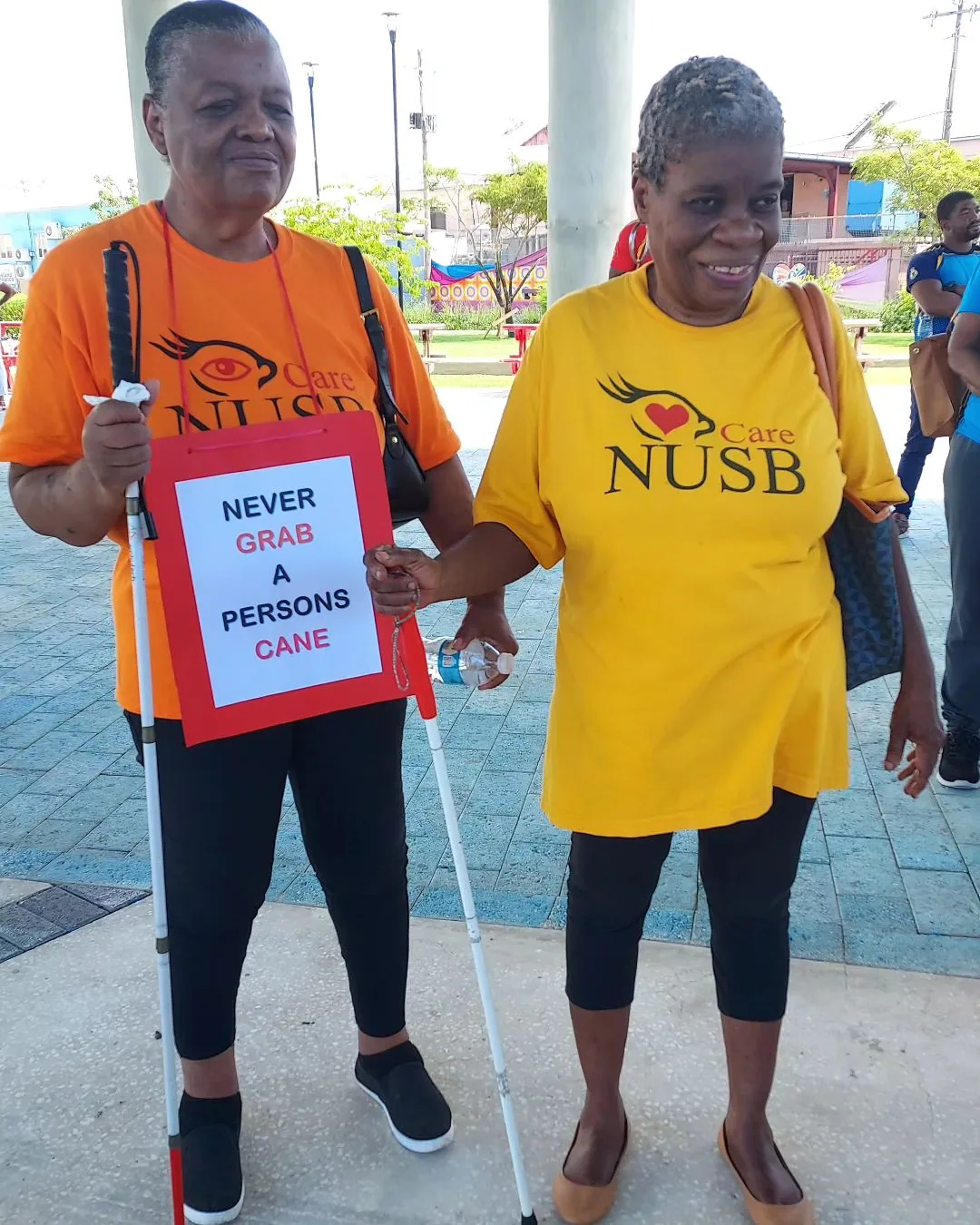
WHITE CANE AWARENESS
Offer assistance respectfully. Do not assume help is wanted or take hold of someone without permission.
A white cane is an essential mobility tool. Do not touch, pull or move it without the person’s permission.
Unobstructed walkways, safe crossings and clear entrances help everyone move with greater confidence.
Address the person you are speaking with, identify yourself where helpful, and communicate with respect.
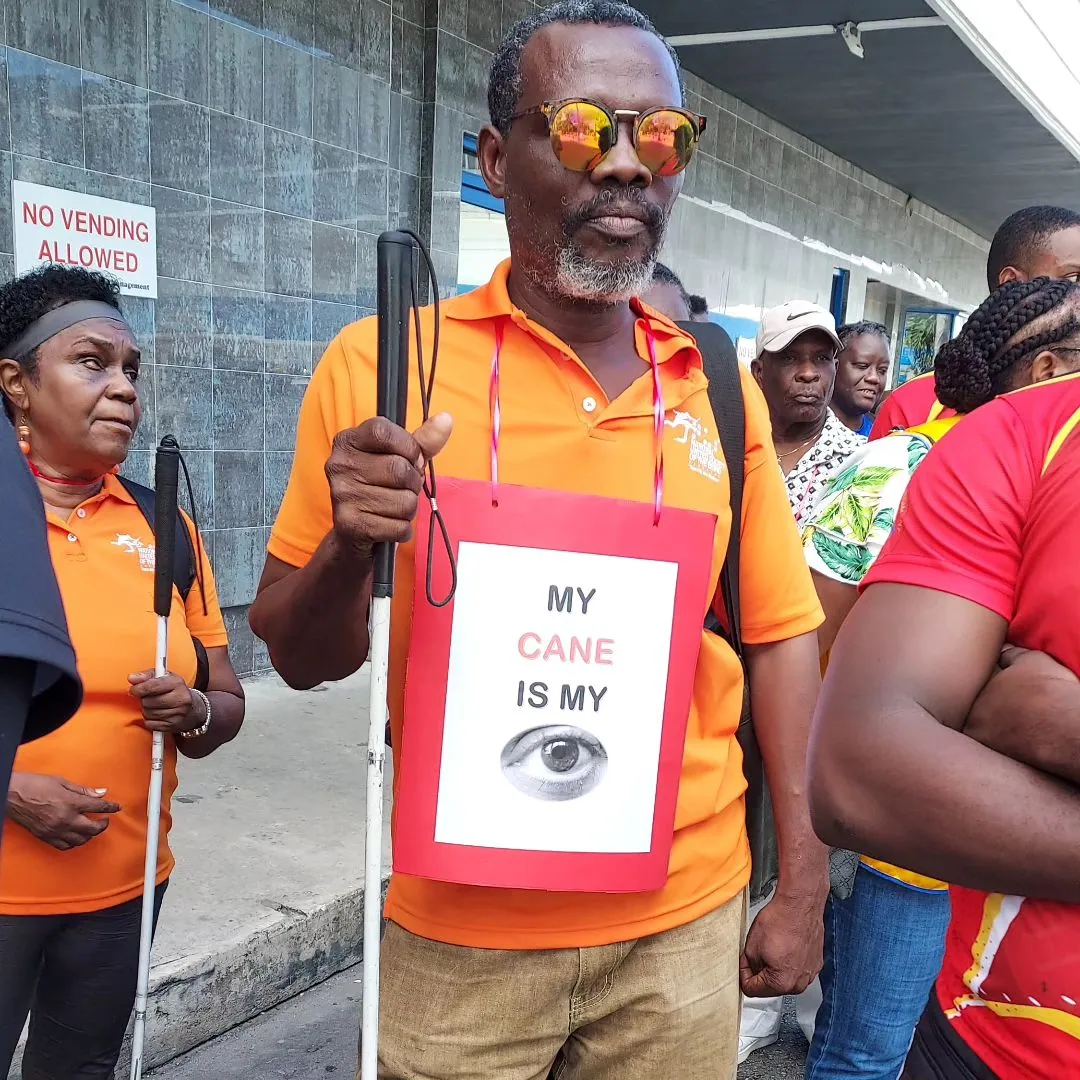
COMMUNITY ADVOCACY
Photos from public activities highlight the everyday importance of mobility, dignity and social inclusion. The message is simple: listen, respect independence and help build environments that work for everyone.
Explore ways to helpWATCH & LEARN
Selected educational resources from organisations experienced in blindness education and sight-loss awareness. Videos open on their providers’ websites, where available accessibility options and captions can be checked.
RNIB • VIDEO
Short explanations and videos about respectful assistance, employment and everyday access.
Explore RNIB videos ↗HADLEY • VIDEO SERIES
Watch practical introductions to cane types, techniques and mobility training.
Watch cane basics ↗PERKINS • VIDEO
A student-created video introducing the parts of a Perkins Brailler.
Watch the brailler video ↗HADLEY • BRAILLE LESSONS
Accessible, sequenced lessons for tactile reading: letters, then numbers and punctuation.
Explore Braille lessons ↗FREQUENTLY ASKED QUESTIONS
People experience sight loss in different ways. These answers offer a starting point rather than a description of every person’s experience.
No. Blindness and sight loss cover a range of experiences. Some people perceive light, shapes or movement; others have no useful vision. Never assume what someone can or cannot see.
Braille is a tactile reading and writing system made from patterns of raised dots. Readers use touch to identify letters, numbers, punctuation and other symbols. Not every blind person uses Braille, and learning preferences differ.
A long cane can help a person detect obstacles, surface changes and features of their route. It can also signal to others that the person has sight loss. The cane is a mobility tool—never grab or move it without permission.
Introduce yourself if appropriate, ask whether assistance would be useful and listen to the person's preference. If they accept guidance, let them choose how to hold your arm rather than pulling or steering them.
Yes. Many use screen readers, magnification, voice controls, Braille displays and other accessibility features. Good digital design supports these tools and enables independent access.
Low vision generally refers to reduced vision that cannot be fully corrected and affects everyday tasks. Legal and clinical definitions of blindness vary by jurisdiction. Both groups have varied needs and abilities.
Ask participants about their access needs. Provide materials in accessible digital formats, describe important visuals, keep pathways clear, offer good lighting without glare and avoid relying on colour alone.
Absolutely. Skills such as touch, technique, experience and spatial understanding play a central role in craft work. The workshop’s chair caning and mop-making demonstrate valuable expertise.
READ FURTHER
Practical guidance on independent living, access and wellbeing from RNIB.
Read the guide ↗Short Hadley lessons on browsing, websites and digital tools.
Explore lessons ↗Read a local report on chair caning and mop-making at the association.
Read Barbados Today ↗LET’S BUILD A MORE INCLUSIVE BARBADOS
Connect with the association about awareness and accessibility conversations.